
Popular Tree Removal Products for Safe and Effective Results
Discover top-rated tools and gear that help you handle tree removal tasks with confidence and precision.
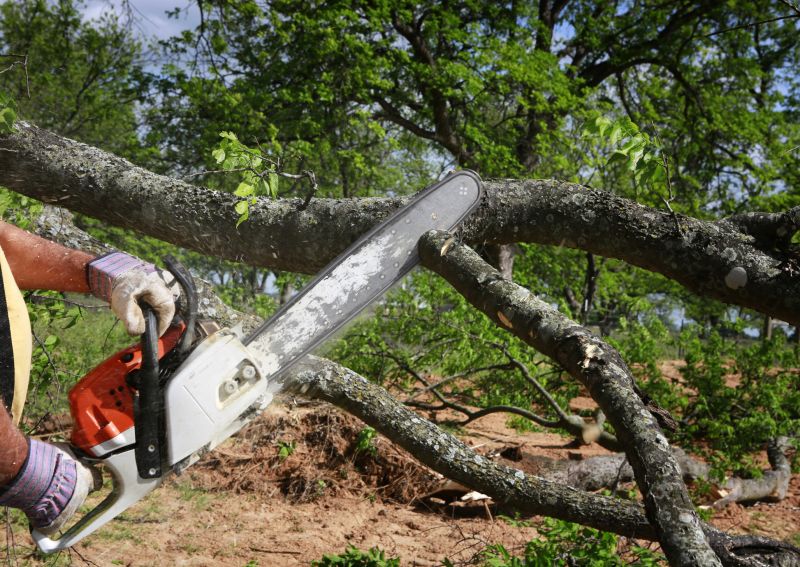 When considering tree removal projects in Shingle Springs, CA, selecting the right tools and equipment is essential for safety and efficiency. Tree removal involves various tasks such as cutting, trimming, and safely lowering large branches or entire trees. Having reliable and appropriate products can make these tasks more manageable and reduce potential hazards. From handheld tools to heavy-duty machinery, there are numerous options tailored to different tree removal needs and site conditions. Proper planning and the right equipment help ensure that the process is conducted smoothly, minimizing damage to surrounding property and maintaining safety standards.
Top Overall Option
Multi-Purpose Tree Removal Kit
A comprehensive tree removal kit typically includes a combination of pruning saws, loppers, safety gear, and cutting accessories designed to handle various aspects of tree removal. These kits are versatile, suitable for both professional arborists and serious DIY enthusiasts. They offer a range of tools that can assist in trimming, cutting, and safely lowering tree sections. Investing in a well-rounded kit can provide all the essentials needed for most tree removal projects, making it a practical choice for homeowners in Shingle Springs seeking reliable, all-in-one solutions.
Types of Products For Tree Removals
Chainsaws
Powerful handheld tools ideal for cutting through thick branches and trunks, available in gas and electric models.
Pruning Saws
Manual saws designed for trimming and shaping trees, offering precision for smaller branches.
Pole Saws
Extendable saws that allow reaching high branches without the need for a ladder.
Loppers
Long-handled cutting tools for pruning and removing smaller branches with leverage.
Chainsaw Chaps and Safety Gear
Protective clothing and accessories to ensure safety during tree cutting tasks.
Ropes and Slings
Equipment used for securing and lowering large branches or sections of trees safely.
Tree Climbing Gear
Harnesses, spikes, and ropes designed for professional arborists to ascend and work on trees.
Wood Chippers
Machines that convert cut branches and trunks into mulch or chips for disposal or landscaping.
Stump Grinders
Specialized equipment for removing remaining stumps after tree removal.
Lifting Equipment
Cranes or hoists used for lifting heavy tree sections safely.
Tree Removal Harnesses
Safety harnesses designed for secure climbing and working at heights.
Aerial Lifts
Cherry pickers or bucket trucks that provide elevated access for large or tall trees.
Debris Bags and Tarps
Tools for collecting and managing fallen branches and debris efficiently.
Ground Pegs and Anchors
Equipment to stabilize and secure ropes or cables during removal.
Tree Felling Wedges
Tools used to guide the direction of falling trees safely.
Popular Choices
Portable and easy to maneuver, suitable for smaller tree sections and trimming tasks.
Versatile tools for reaching high branches with minimal effort.
Robust manual saws designed for tough pruning jobs.
Essential safety gear for protection during tree work.
Equipment for controlled lowering of tree sections.
Quiet and low-maintenance options for light to medium tree cutting.
Ideal for trimming smaller branches with precision.
Handheld or mechanized tools for stump extraction.
Elevated work platforms for safe access to tall trees.
Protective gloves designed for handling rough materials and tools.
Assist in guiding the fall direction of large trees.
Machinery for processing branches into mulch on-site.
Attachment tools for cutting large branches or trunks with machinery.
Secure branches or sections for controlled removal.
Compact chippers suitable for small to medium debris loads.
Tools for professional arborists to ascend and work on trees securely.
Key Buying Considerations
- Assess the size and type of trees to determine the appropriate equipment capacity.
- Prioritize safety gear such as helmets, gloves, and protective clothing.
- Consider whether electric, battery-powered, or gas-powered tools best suit your needs and environment.
- Evaluate the reach and extension capabilities of pole saws and pruners for high branches.
- Check for ease of use and ergonomic design to reduce fatigue during extended use.
- Ensure compatibility of accessories and replacement parts for long-term maintenance.
- Review the power output and cutting capacity to match the thickness of branches and trunks.
- Determine if additional equipment like ropes, pulleys, or cranes is necessary for larger projects.
- Verify the availability of local service and support for the equipment.
- Consider storage space and portability if frequent or remote tree removal tasks are expected.
- Look into safety features such as chain brakes, anti-kickback mechanisms, and stability aids.
- Estimate the overall budget, including maintenance and accessory costs.
- Research user reviews and ratings to gauge reliability and performance.
- Decide whether professional-grade equipment or consumer models are more appropriate for your skills and needs.
- Check for compliance with local safety standards and regulations.