
Optimal Timing for Tree Removals
The optimal time for tree removals depends on several factors, including tree species, local climate, and the purpose of removal. Generally, late winter to early spring is considered ideal because trees are in dormancy, reducing stress and promoting quicker recovery. This period also minimizes disruption to surrounding vegetation and reduces the risk of disease spread.
Performing removals during dormancy minimizes damage to nearby plants and reduces pest activity.
Spring removals can be done before new growth begins, but may interfere with budding and flowering.
These seasons are less ideal due to increased stress on trees and potential for disease spread, but may be necessary in certain situations.
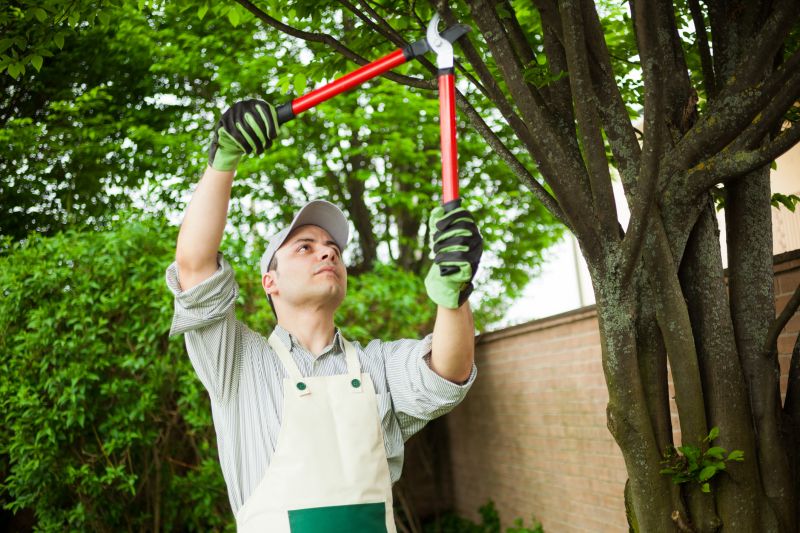
Tree removal during winter months reduces impact on surrounding vegetation.
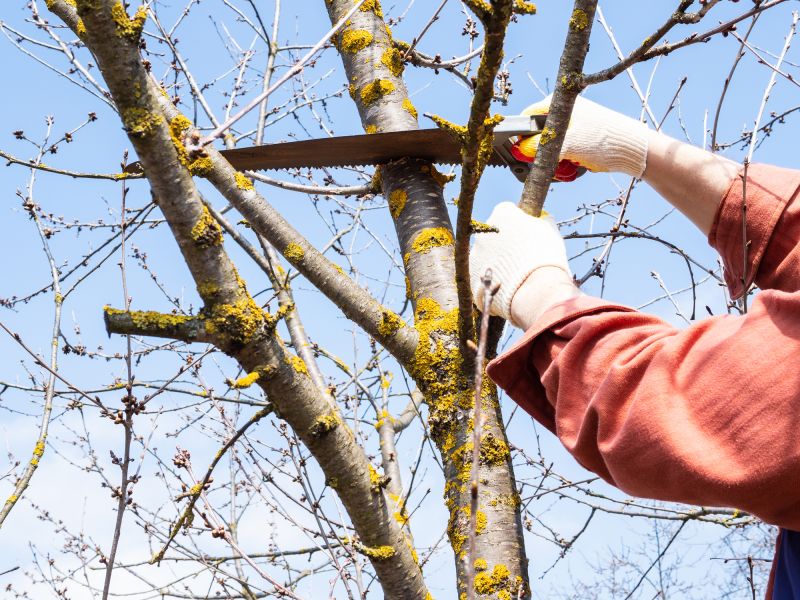
Spring is suitable for removals before trees leaf out.
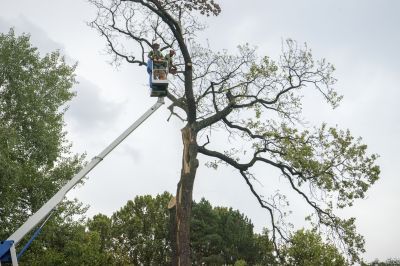
Summer removals may be necessary during dry seasons.
Ways to make Tree Removals work in tight or awkward layouts.
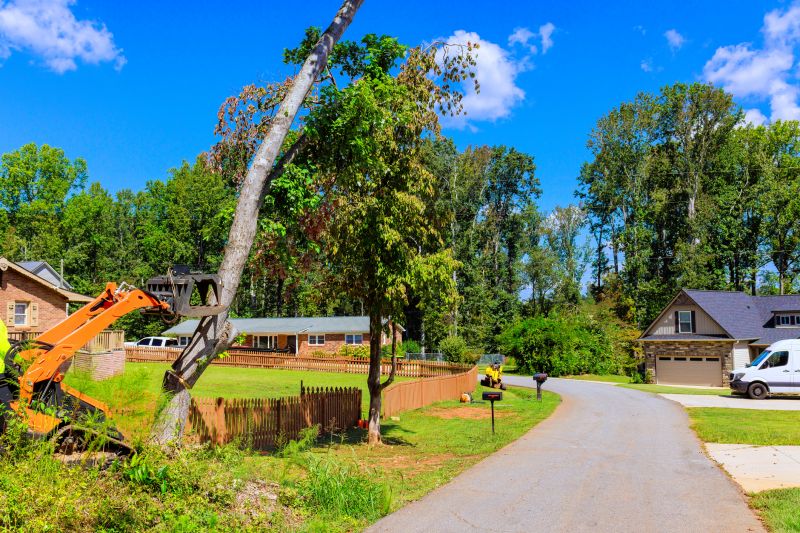
Popular materials for Tree Removals and why they hold up over time.
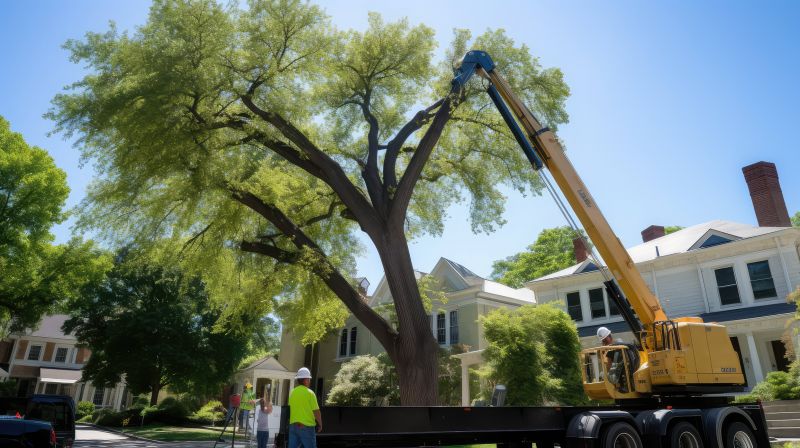
Simple add-ons that improve Tree Removals without blowing the budget.
| Season | Advantages |
|---|---|
| Winter | Minimized damage to surrounding plants; less pest activity. |
| Spring | Before new growth starts; optimal for flowering trees. |
| Summer | Can be scheduled during dry periods; necessary in some cases. |
| Fall | Less ideal due to increased stress; can be used if needed. |
| Early Fall | Allows recovery before winter dormancy. |
Tree removals are a critical component of landscape management, ensuring safety and health of property. Proper timing can reduce risks associated with falling branches or trees and prevent damage to structures. Statistically, performing removals during dormancy reduces the likelihood of pest infestations and disease transmission. Additionally, early planning aligns with seasonal weather patterns, facilitating safer and more efficient work.
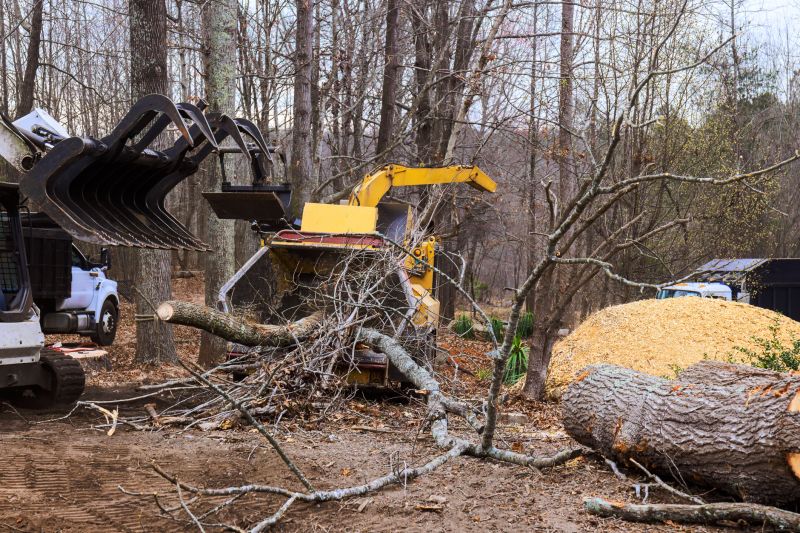
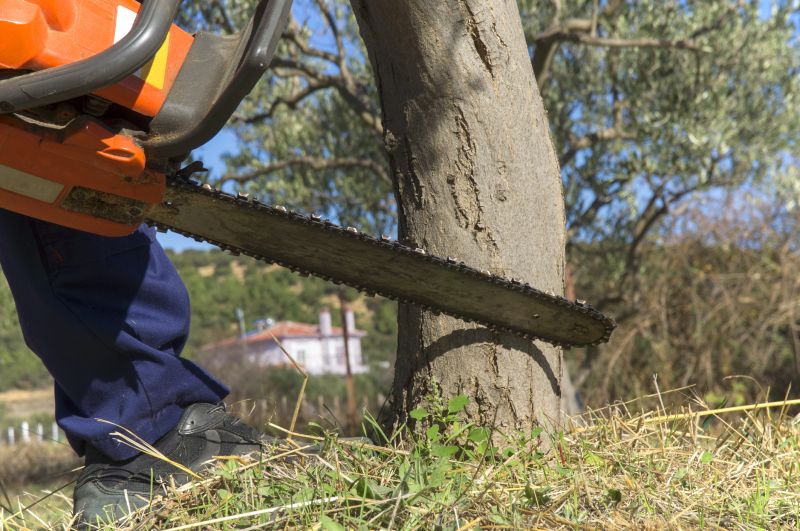
Specialized tools used during tree removal processes.
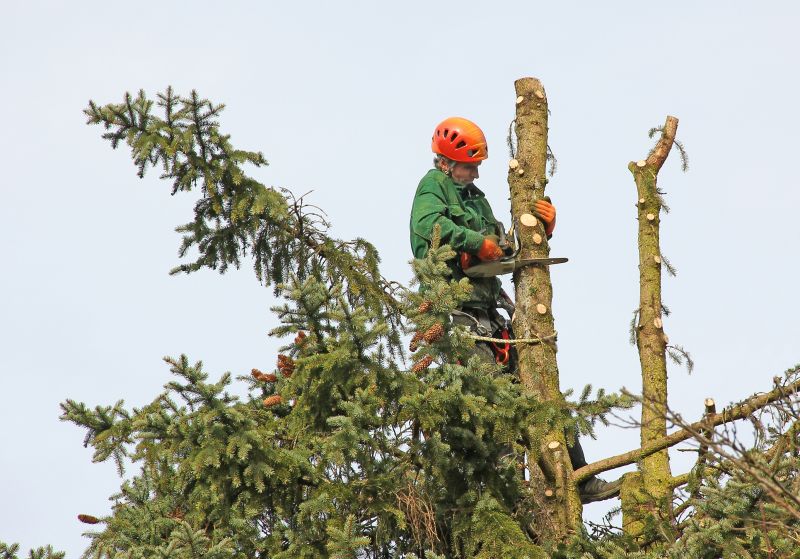
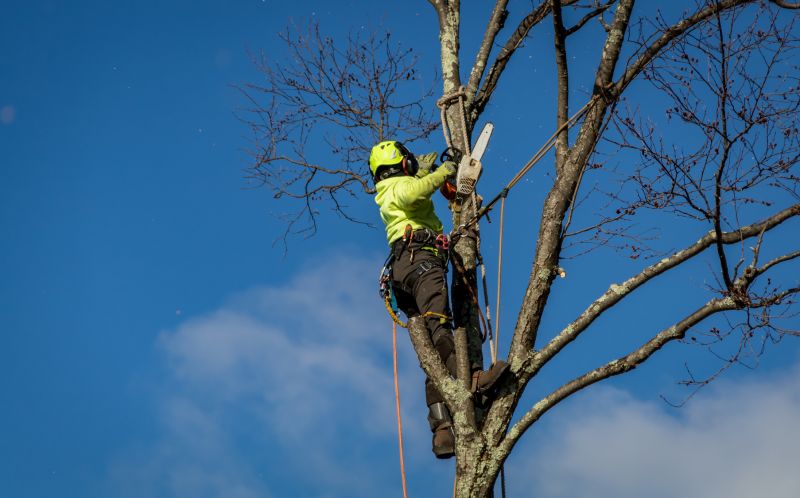
Workers safely removing a tree in winter.
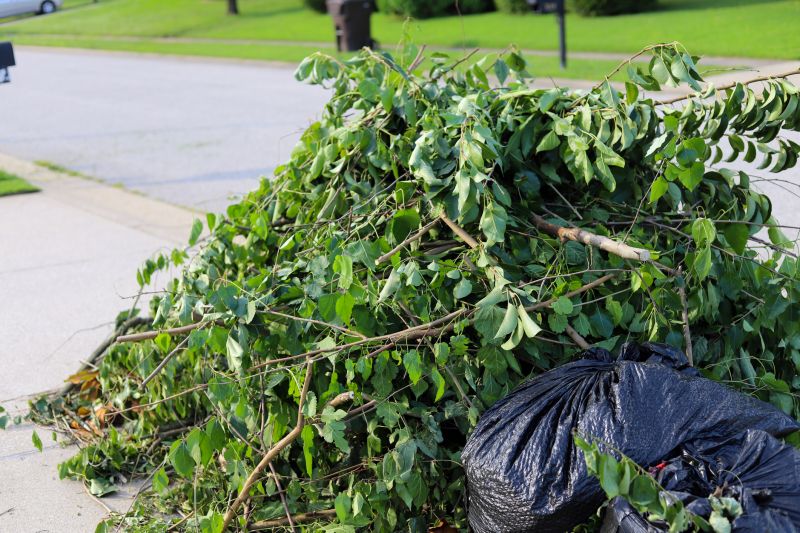
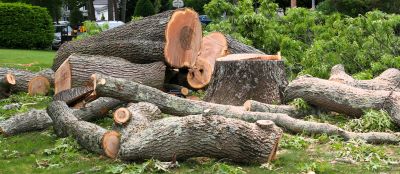
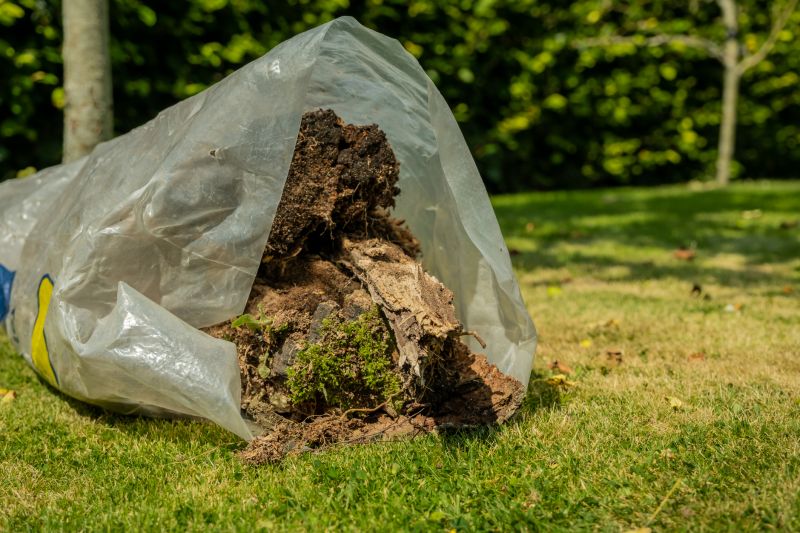
Proper disposal after tree removal is essential.
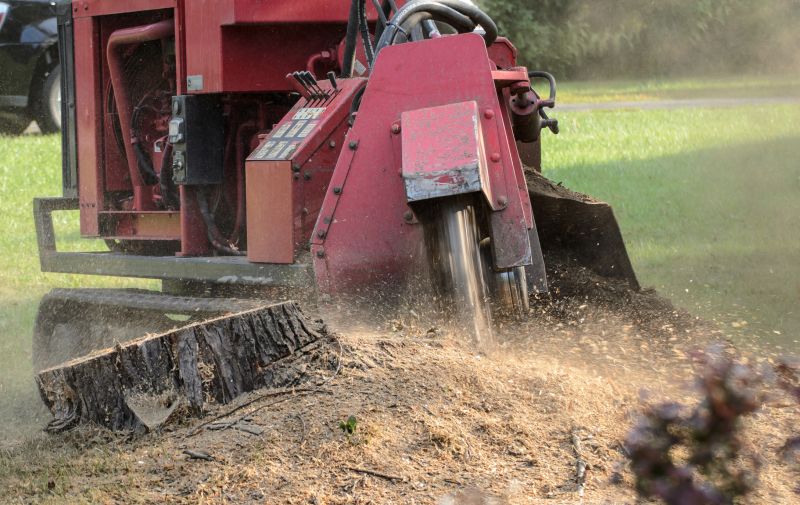
Stump removal is often part of the process.
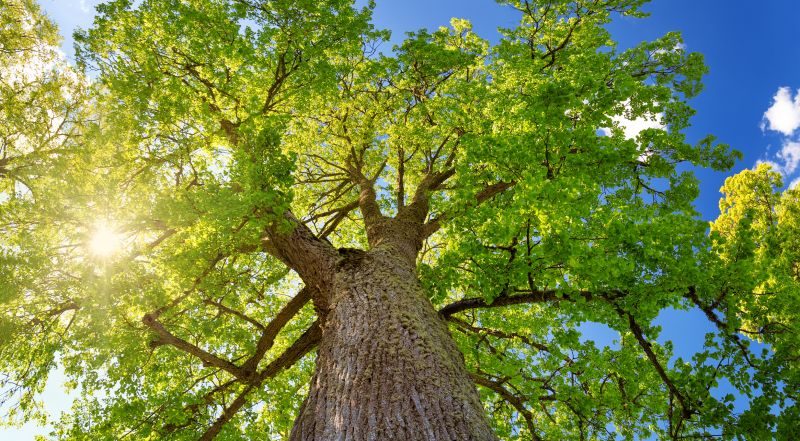
High-end options that actually feel worth it for Tree Removals.
Finishes and colors that play nicely with Tree Removals.
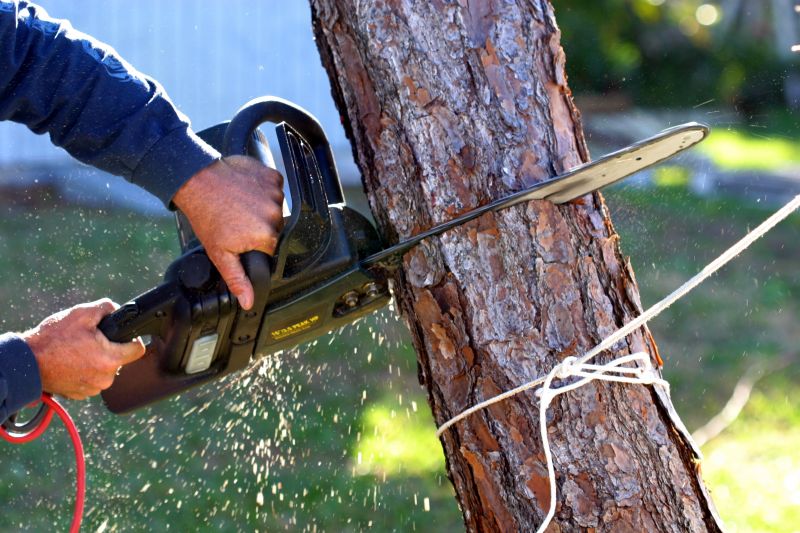
Little measurements that prevent headaches on Tree Removals day.
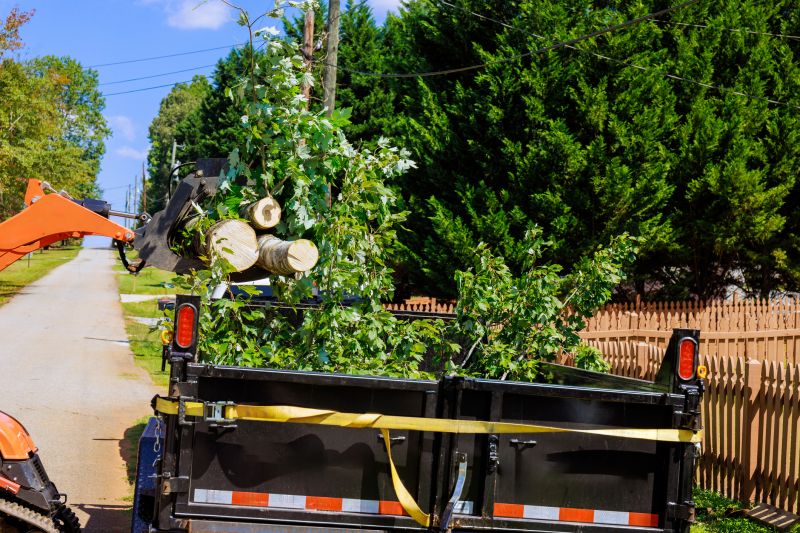
A 60-second routine that keeps Tree Removals looking new.
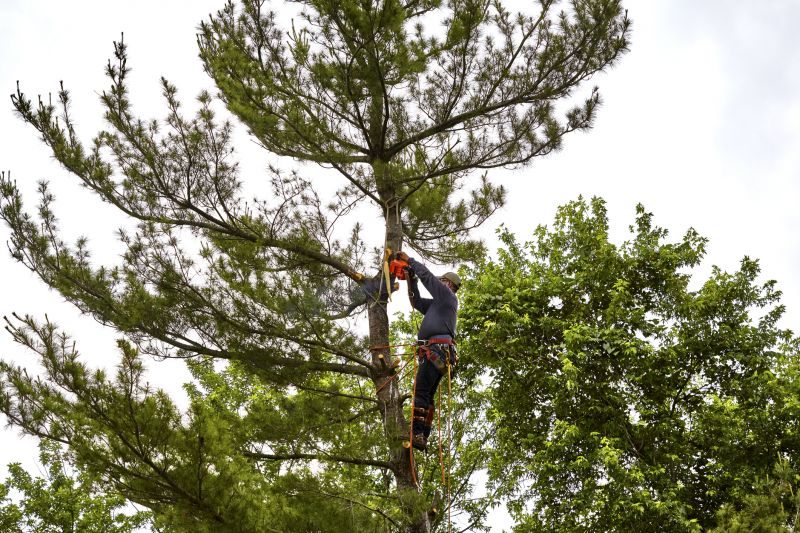
A frequent mistake in Tree Removals and how to dodge it.
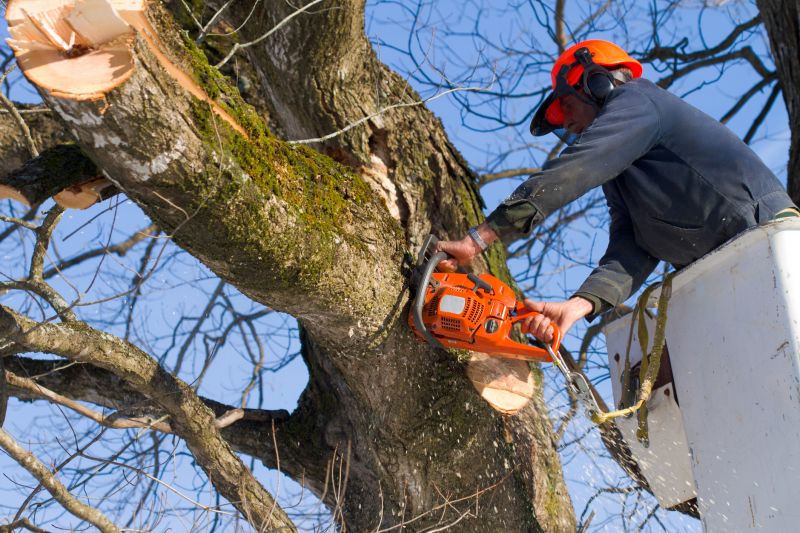
Small tweaks to make Tree Removals safer and easier to use.
Lower-waste or water-saving choices for Tree Removals.
The short, realistic tool list for quality Tree Removals.
Interested property owners in Shingle Springs, CA, can consider scheduling tree removals during the late winter or early spring months for optimal results. Proper timing not only enhances safety but also supports the health of remaining landscape elements. To explore options or get a tailored removal plan, filling out the contact form is recommended.